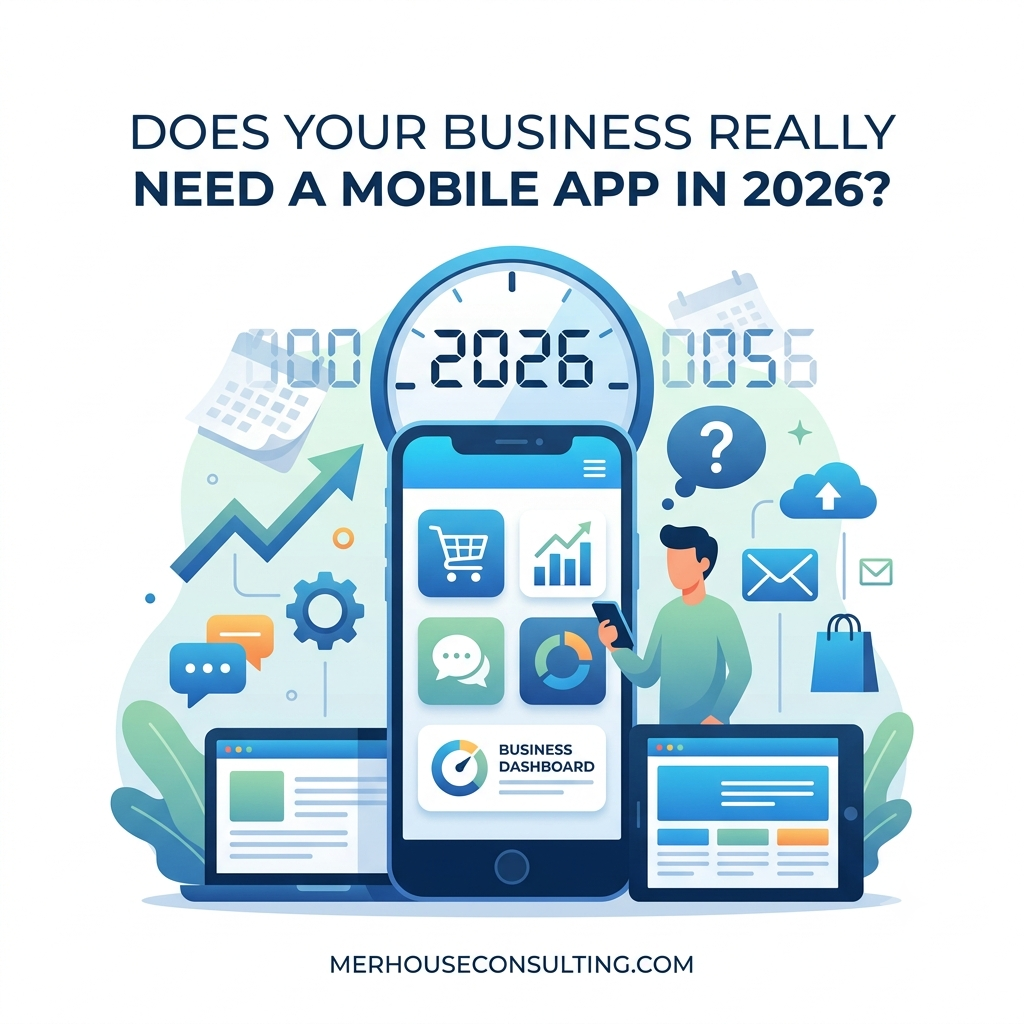
For years, mobile apps were seen as something only large corporations could afford. Today, that’s no longer true.
With modern development platforms and faster deployment options, businesses of all sizes can launch mobile applications that improve customer engagement, streamline operations, and create new revenue opportunities.
But here’s the real question:
Does your business actually need a mobile app?
The answer depends on your goals, customers, and how people interact with your services.
Why Mobile Apps Continue to Grow
Consumers spend more time on mobile devices than ever before. Whether they’re shopping, booking appointments, accessing memberships, or communicating with businesses, users increasingly expect a seamless mobile experience.
A website is still essential, but in many cases a mobile app can provide additional convenience and functionality that a website alone cannot offer.
Signs Your Business May Need a Mobile App
You Have Repeat Customers
If customers regularly interact with your business, an app can improve retention and convenience.
Examples include:
- Membership organizations
- Fitness businesses
- Educational platforms
- Professional services
- Subscription-based businesses
You Need Push Notifications
One of the biggest advantages of mobile apps is direct communication.
Unlike email marketing, push notifications appear directly on the user’s device and often achieve higher engagement rates.
Businesses commonly use notifications for:
- Promotions
- Appointment reminders
- New content releases
- Service updates
- Customer engagement campaigns
You Manage Bookings or Appointments
Mobile apps make booking services quick and convenient.
Customers can:
- Schedule appointments
- Receive confirmations
- Access reminders
- Manage their bookings
This can reduce administrative work and improve customer satisfaction.
You Want to Build Customer Loyalty
Apps encourage ongoing interaction with your brand.
Features such as loyalty programs, member areas, rewards systems, and exclusive content can significantly increase customer retention.
When a Website Is Enough
Not every business requires a mobile application.
A website may be sufficient if:
- Customers rarely interact with your business after the initial purchase.
- You primarily generate leads through search engines.
- Your services are simple and informational.
- Your budget is limited and you’re still validating demand.
In these situations, investing in website optimization and SEO may provide a better return initially.
The Most Common Business Apps in 2026
Customer Portals
Allow customers to access information, documents, invoices, and support resources.
Booking Applications
Ideal for consultants, healthcare providers, coaches, and service businesses.
Membership Platforms
Provide exclusive content, training, resources, and community access.
Internal Business Tools
Improve team productivity, reporting, communication, and workflow management.
Marketplace Apps
Connect buyers and sellers within a single platform.
What About Cost?
One of the biggest misconceptions is that mobile apps always require massive budgets.
Traditional custom-coded applications can be expensive, but modern development platforms have made professional app development more accessible.
Businesses can often launch a functional MVP (Minimum Viable Product) quickly, gather feedback, and expand features over time.
This approach reduces risk while validating the business concept.
Benefits Beyond Customer Experience
A mobile app can provide advantages beyond user convenience:
- Increased customer retention
- Better communication
- Improved operational efficiency
- New revenue streams
- Enhanced brand visibility
- Valuable user data and insights
For many organizations, these benefits generate long-term value that exceeds the initial investment.
Questions to Ask Before Building an App
Before starting development, ask yourself:
- What problem will the app solve?
- How often will customers use it?
- Will it save time or improve service?
- Can it generate revenue or reduce costs?
- Does it support long-term business growth?
If you can clearly answer these questions, a mobile app may be a strategic investment.
Final Thoughts
In 2026, mobile apps are no longer reserved for large enterprises. Businesses of all sizes can leverage mobile technology to improve customer experiences, increase engagement, and support growth.
The key is not building an app simply because competitors have one. The goal is to create a solution that provides real value for your customers and your business.
Before investing in development, evaluate your goals, user needs, and expected return. The right app can become one of your most valuable business assets.