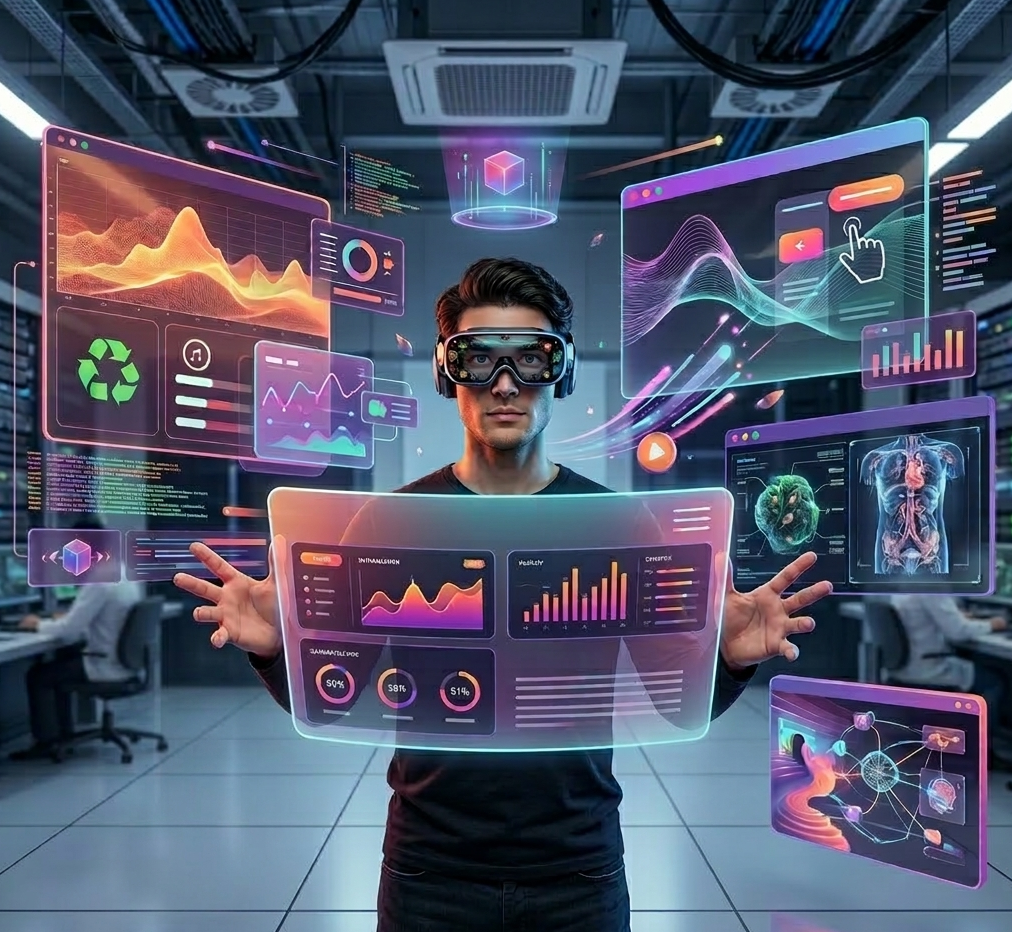
The digital landscape evolves rapidly, and businesses that want to remain competitive must keep their websites modern, fast, and user-focused. In 2026, web design is moving beyond aesthetics and focusing heavily on personalization, immersive experiences, and intelligent automation.
A modern website is no longer just a digital brochure—it’s an interactive platform designed to engage visitors, guide them through a journey, and convert them into customers.
Below are the key web design trends shaping the future of websites in 2026.
1. AI-Powered Personalization
Artificial intelligence is transforming how websites interact with visitors. Instead of showing the same content to every user, modern websites now adapt dynamically based on behavior, preferences, and browsing patterns.
For example, a returning visitor might see different homepage content than a new visitor. An e-commerce site could automatically highlight products related to a user’s past searches.
Benefits of AI personalization include:
- Higher user engagement
- Improved conversion rates
- More relevant user experiences
Businesses implementing AI-driven personalization have reported engagement increases of up to 40% and conversion improvements around 25%.
2. Conversational Interfaces and AI Chatbots
Chatbots have evolved far beyond simple automated responses. In 2026, conversational interfaces powered by natural language processing are becoming standard on modern websites.
These AI assistants can:
- Answer customer questions instantly
- Provide product recommendations
- Guide users through services or purchases
- Offer 24/7 customer support
For businesses, this means faster response times and improved customer satisfaction.
3. Immersive 3D and Interactive Experiences
Websites are becoming more immersive thanks to modern technologies such as WebGL and advanced browser rendering capabilities. Interactive 3D elements allow users to explore products, services, or environments in a more engaging way.
Examples include:
- 3D product previews
- Virtual tours
- Interactive animations
- Parallax storytelling
When implemented correctly, these elements can significantly increase user engagement without sacrificing performance.
4. Organic Layouts and Flexible Design Structures
Rigid grid-based layouts are gradually being replaced by more fluid, organic designs that feel natural and human-centered.
Designers are increasingly using:
- Soft shapes and curved elements
- Asymmetrical layouts
- Natural spacing between content sections
These designs create a more approachable and modern user experience while helping brands stand out in crowded digital spaces.
5. Micro-Interactions and Motion UI
Small animations and micro-interactions are becoming essential design elements. These subtle effects improve usability and create a more engaging experience.
Examples include:
- Button hover animations
- Scroll-triggered animations
- Interactive icons
- Visual feedback for user actions
These details make websites feel more responsive and interactive while guiding users through the interface.
6. Accessibility and Inclusive Design
Accessibility is no longer optional. Modern websites must be designed to work for all users, including those with disabilities.
In 2026, accessibility tools and automated testing systems help developers ensure websites meet global accessibility standards such as WCAG.
Key accessibility features include:
- Screen reader compatibility
- High-contrast design options
- Keyboard navigation
- Adjustable typography and layouts
Designing for accessibility also expands your potential audience and improves overall usability.
7. Performance-First and Mobile-First Design
Speed and performance remain critical ranking factors for search engines and user experience. Modern websites prioritize:
- Faster loading times
- mobile-first layouts
- optimized images and scripts
- lightweight frameworks
With mobile traffic dominating internet usage, designing for smaller screens first is now the industry standard.
The Future of Websites
Websites in 2026 are becoming smarter, faster, and more personalized than ever before. Businesses that embrace these trends will be better positioned to capture attention, build trust, and convert visitors into customers.
At Merhouse Consulting, we specialize in creating modern websites that combine cutting-edge technology, strategic design, and strong SEO foundations to help businesses grow online.